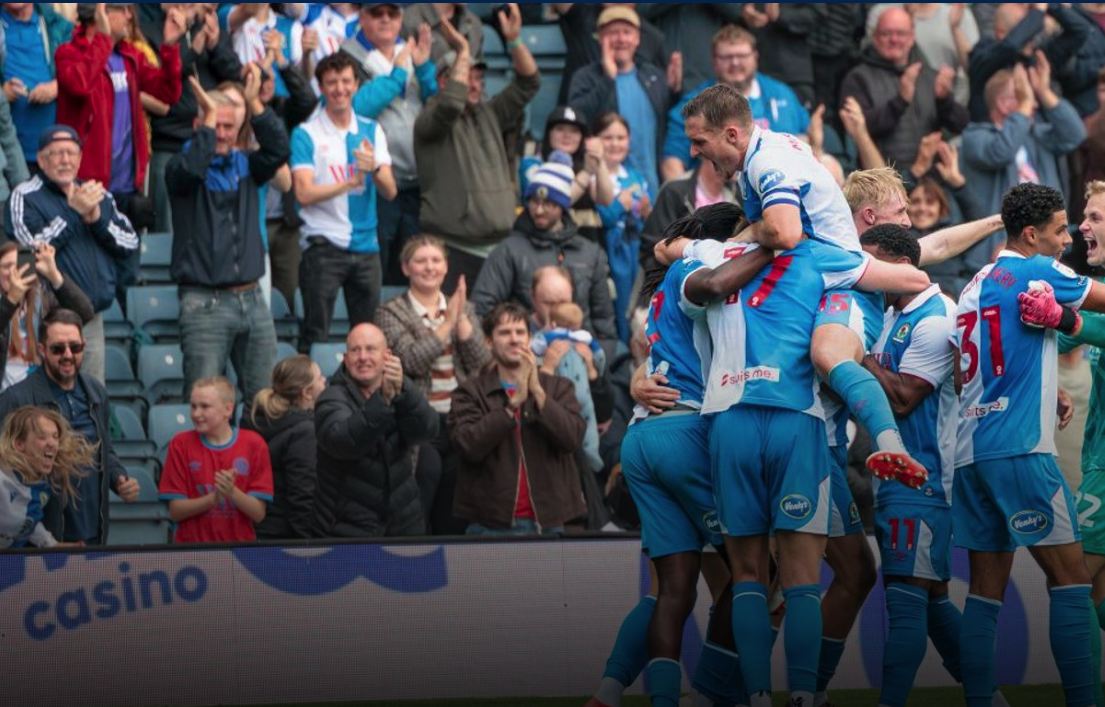
Blackburn Rovers F.C. needed to introduce paid parking at Ewood Park, where parking had always been free. Working with Hozah, a UK parking technology company, the club replaced cash payments with a ticketless ANPR system and digital payments. The move led to fewer complaints than expected, and footfall has risen by an average of 28%. The full results are in our downloadable case study.
Why is introducing paid parking so risky for football clubs?
Ask any football club about matchday parking and you’ll hear the same problems. Thousands of cars arrive in a short window before kick-off and leave all at once after the final whistle. Queues back up onto surrounding roads. Staff handle cash in all weathers. Supporters who miss kick-off because they were stuck at the gate remember it, because the fan experience starts in the car park.
Blackburn Rovers had all of these problems at Ewood Park, plus a harder one. Parking at the ground had always been free, and the club needed to start charging for it.
Charging fans for something they have always had for free can go badly. Supporters are loyal, but they notice when something changes, and a clumsy rollout can quickly turn into complaints, bad press and resentment on the terraces.
What did Blackburn Rovers need from a new parking system?
The club needed a parking operation that was fair, transparent and simple from the first game. It had to work for everyone who drives to Ewood Park, from season ticket holders to away fans visiting for the first time. It also had to cut congestion, remove cash handling, and turn the car parks into a revenue stream that could support the club and its community work.
How did Hozah help Blackburn Rovers move from free to paid parking?
Hozah replaced the old cash-based system with a single, connected parking ecosystem (read our announcement from August 2025). ANPR (automatic number plate recognition) cameras recognise vehicles on entry and exit, so there are no tickets, barriers or payment machines. Supporters can choose how they pay:
- registering once for AutoPay,
- pre-booking a space before matchday,
- or making a quick one-off payment with PayByWeb.
The technology was only part of the solution. The launch also had a community element that made a real difference to how supporters received the change. The case study explains how it worked.
What were the results?
- 28% average increase in footfall since the first month, according to Hozah Console data
- Pre-booking sold out for most games, securing revenue before fans arrive
- Matchday cash handling removed entirely
- Fewer complaints than expected about the move from free to paid parking
The club’s Head of Commercial & Partnerships said Hozah’s team gave “the best customer service we have experienced from any supplier we work with.”
The downloadable case study covers the full story, including:
- The challenges of introducing charges where parking had always been free
- How each part of the Hozah Ecosystem was deployed at a high-volume stadium
- The community-led launch strategy that helped win supporters over
- The complete results across compliance, efficiency, fan experience and revenue
- The club’s full testimonial on working with Hozah
If you’re considering introducing paid parking at a stadium, venue or any site where parking has traditionally been free, this case study shows how to do it without losing your visitors’ goodwill.
Discover how the Hozah Ecosystem brings payments, parking technology and real-time management together in one connected platform.