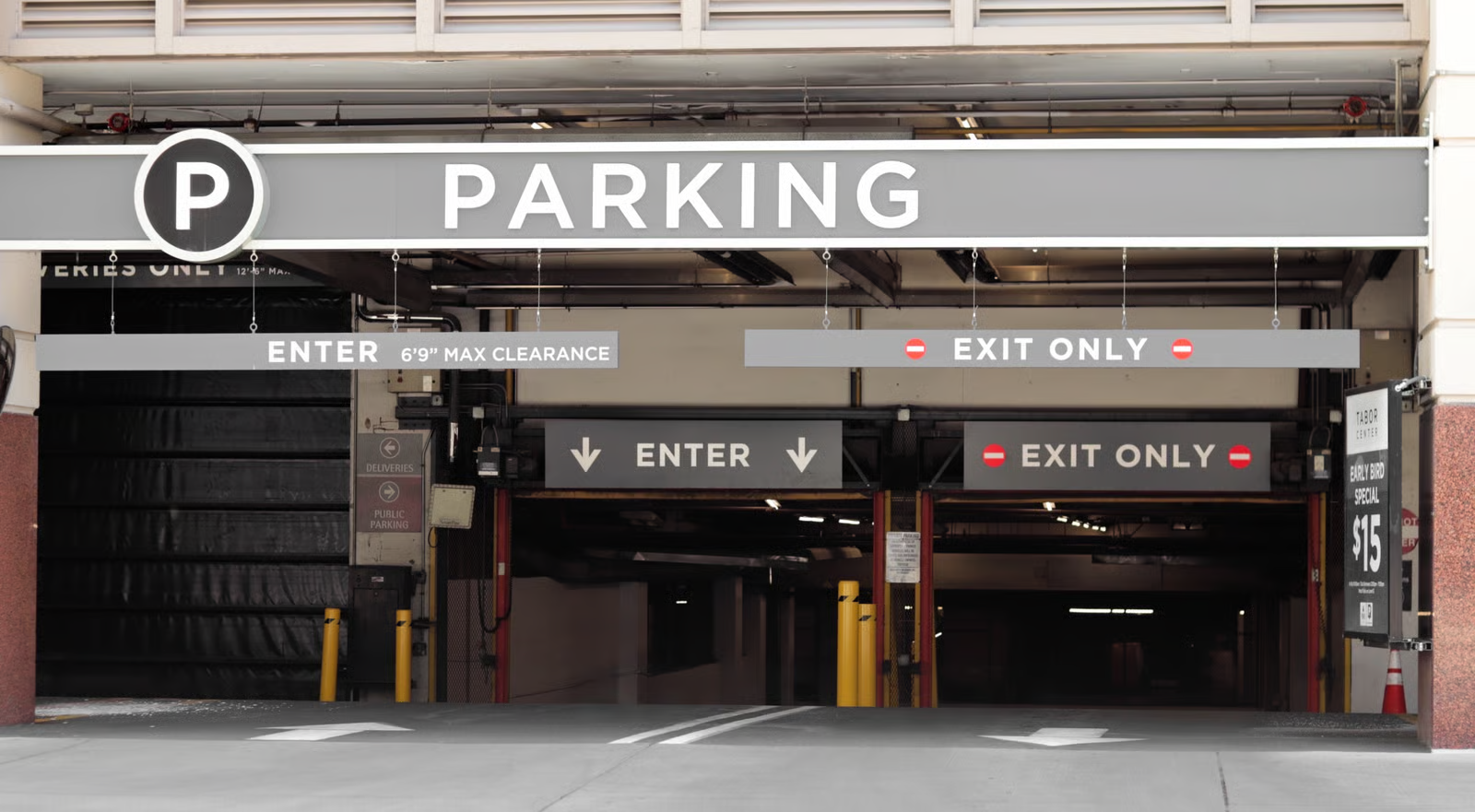
National Car Parks (NCP), one of the UK’s largest and longest-standing car park operators, entered administration on 16 March 2026. PwC has been appointed as joint administrator and is now assessing the future of approximately 340 car parks nationwide, with 682 jobs at risk.
For anyone connected to those sites, whether you’re a landlord, an asset manager, a facilities team, or a local authority, this is understandably unsettling. Parking is critical infrastructure, and when the operator behind it enters administration, the uncertainty is real.
But there is a way forward. And for many of these sites, it could actually be a better one.
The Challenges Facing NCP
NCP’s difficulties didn’t appear overnight. According to filings from its parent company Park24, the business had been losing money consistently for several years. Liabilities exceeded assets by £305 million as of September 2025, with pre-tax losses of £28.2 million in the year to September 2023 alone.
The company pointed to a post-pandemic decline in parking demand, particularly in city centres and commuter locations, where hybrid working has permanently changed how people travel. Rising energy costs and inflation-linked rents added further pressure. But perhaps the most telling factor was NCP’s inability to exit long-term, inflexible lease agreements tied to loss-making sites.
In short, NCP was locked into a cost structure that no longer matched the reality of how people use car parks. And without the technology or operational flexibility to adapt, the gap kept widening.
The Bigger Picture for UK Parking
NCP’s administration isn’t an isolated story. It reflects a broader structural shift. The operators that built their models around barriers, fixed infrastructure, and high headcount are struggling to keep pace with a market that demands more flexibility, better data, and lower overheads.
Traditional barrier-based systems carry substantial ongoing costs: hardware maintenance, barrier repairs, on-site staffing, and manual payment processing. When occupancy drops even slightly, those fixed costs don’t drop with it. That’s the trap NCP found itself in.
For landlords and site owners now looking for a new parking operator, this is worth considering carefully. Replacing one legacy operator with another may provide short-term continuity, but it doesn’t address the underlying problem. The model itself needs to change.
What Car Park Owners Should Be Looking For Right Now
If your site was managed by NCP, or if this news has prompted you to re-evaluate your current parking arrangements, there are a few things worth prioritising in your next operator.
Technology that reduces fixed costs, not increases them. Barrier-free, ANPR-based systems eliminate the need for expensive hardware, barrier maintenance, and manual payment handling. That means lower overheads from day one, and a cost base that flexes with occupancy rather than fighting against it.
Data and reporting. Understanding how your car park is actually performing, who’s using it, when, and how often, is no longer a nice-to-have. It’s essential for making informed commercial decisions about tariffs, permits, and site investment. The right technology partner should give you that visibility as standard, not as an upsell.
A fair and transparent approach for drivers. The parking industry has spent years battling a reputation problem, and NCP itself faced criticism over its approach to parking charges. Any operator worth considering should prioritise accurate billing, clear signage, and a driver experience that builds trust rather than eroding it.
Proven results, not just promises. Ask for evidence. Case studies, client references, measurable outcomes. If an operator can’t show you what they’ve delivered elsewhere, that should tell you something.
How Hozah Supports Sites Like Yours
At Hozah, we’ve built our entire model around the challenges that legacy operators like NCP were unable to solve. Our AI-driven, ANPR-based Ecosystem replaces barriers, pay-and-display machines, and manual processes with a fully automated, barrier-free solution that works across retail, hospitality, healthcare, education, travel, and mixed-use sites.
We don’t just install technology and walk away. We work closely with every site to design a tailored parking operation that fits the specific needs of the location, the landlord, and the people who use it every day.
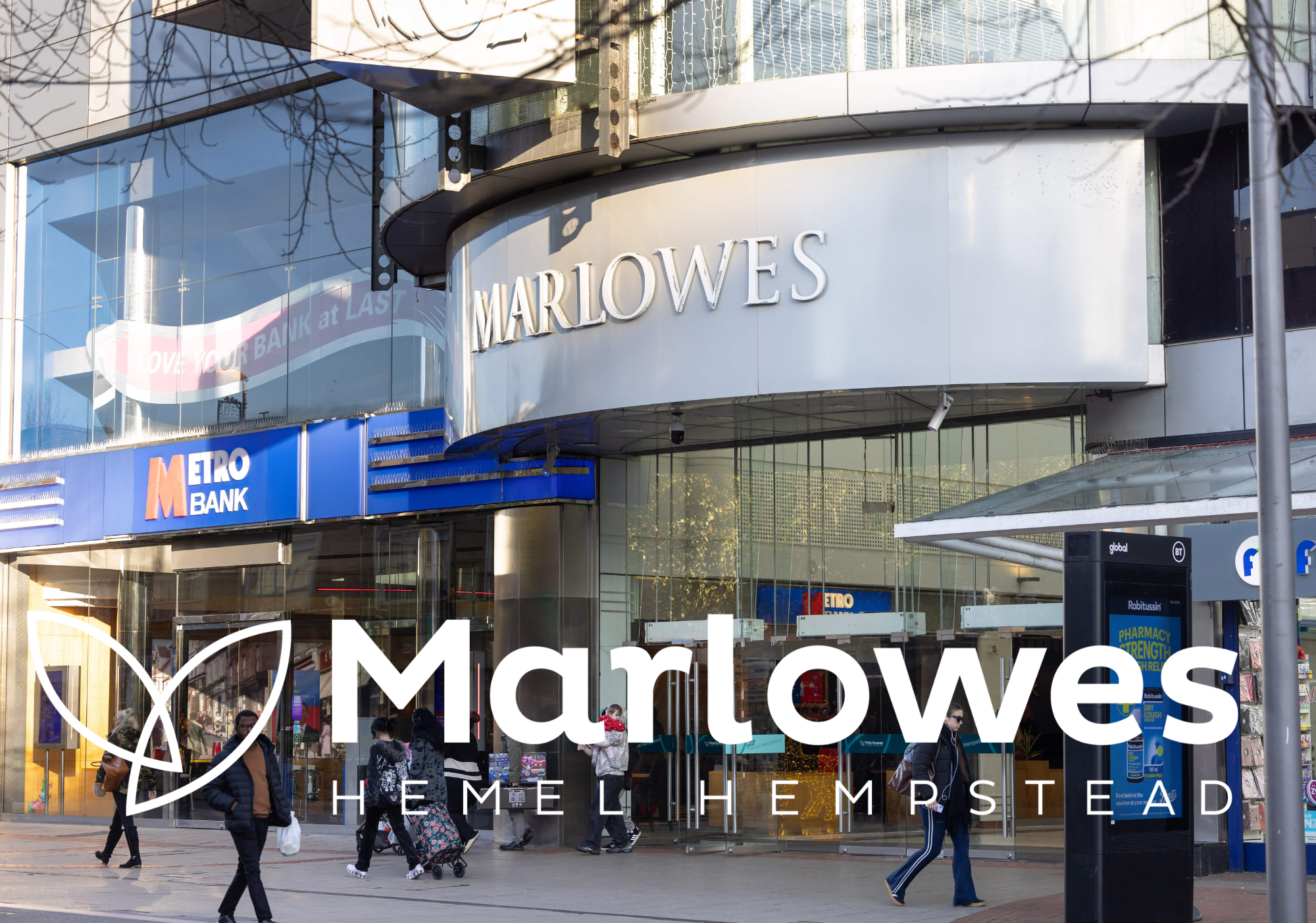
The proof is in the numbers. At Wellgate Shopping Centre in Dundee, we replaced a failing barrier system with a full digital upgrade in just three weeks. Revenue rose by 22% in the first quarter. At Eagles Meadow in Wrexham, parking income increased by 15.5% in one year, and average dwell time went up by 21%. At The Marlowes in Hemel Hempstead, occupancy increased by 4% within two weeks and we saw over 1,000 AutoPay sign-ups in the first month.
Our technology has been recognised beyond the parking industry too. We’ve won a Deloitte UK Technology Fast 50 award for two consecutive years, and in 2025, secured a triple win, also bringing home the CleanTech and the Women in Leadership awards.
A Difficult Moment, But Also an Opportunity
NCP’s collapse is difficult news for everyone affected, from employees to the landlords and businesses that depend on those car parks. Nobody should take that lightly.
But for site owners who now find themselves looking for a new direction, this is also a chance to rethink what parking can do for your business. The right technology partner won’t just keep the lights on. They’ll turn your car park into an asset that generates revenue, reduces costs, and gives you the data to make smarter decisions going forward.
If you’d like to talk about what that could look like for your site, we’d welcome the conversation. Get in touch at sales@hozah.com or book a meeting with our team.