Naval Row: A New Way to Park near Canary Wharf
Hozah opens Naval Row, a 130-bay barrierless car park beside East India DLR station, bringing a long-disused site back into use for drivers across east London's Docklands.
3 weeks ago
News
June 23, 2026
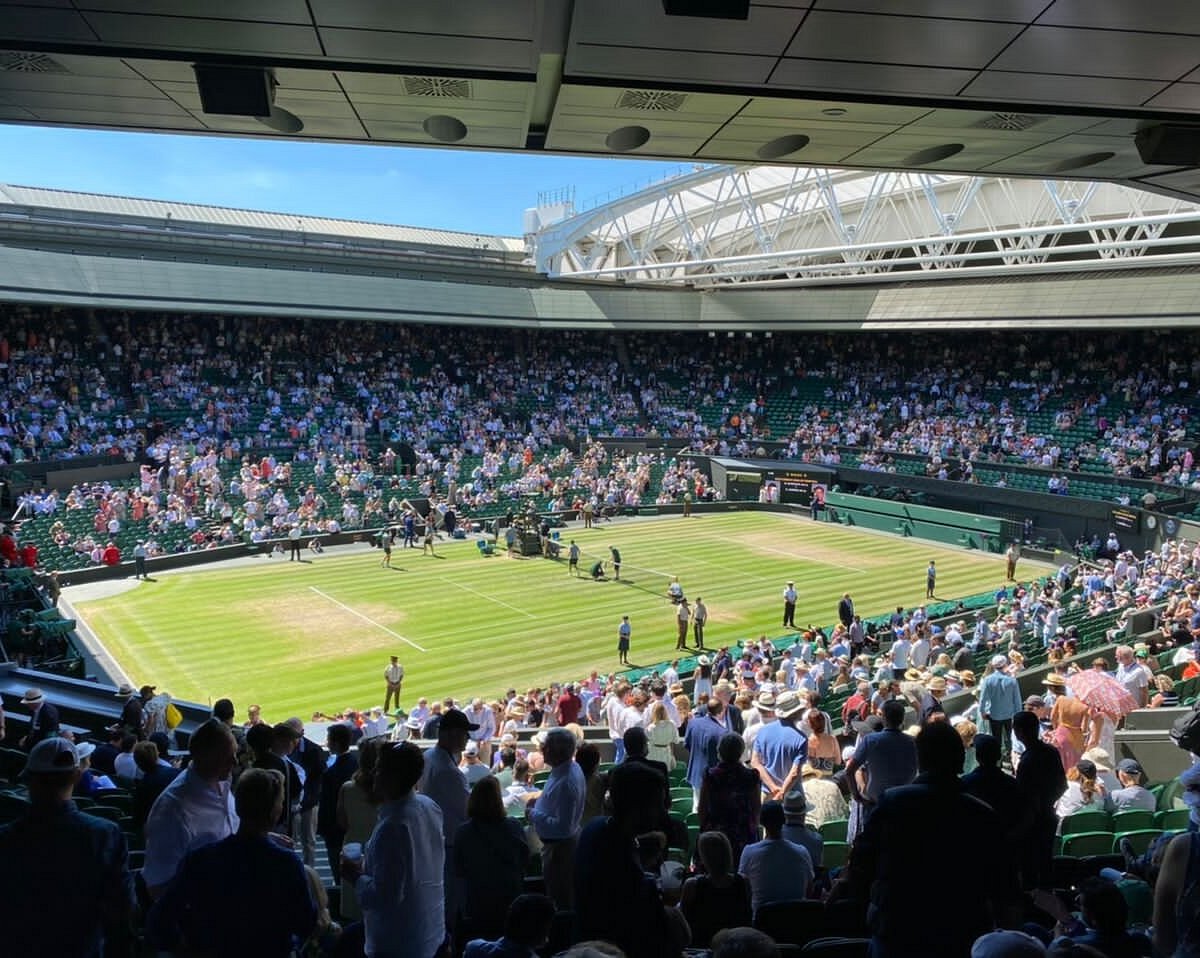
Wimbledon is one of the most meticulously run events on the British sporting calendar. The queues are managed. The schedule is precise. The logistics are planned months in advance. And yet, every year, the roads around SW19 grind to a halt, parking becomes a source of stress, and the venues, hotels, restaurants, and retailers that surround the All England Club scramble to absorb a surge in footfall they knew was coming but could not quite prepare for. For the businesses surrounding the All England Club, that fortnight is the most commercially significant of the year, and the car park is where much of it is won or lost.
The impact of Wimbledon on local businesses is well documented. Data from the 2024 Championships found that restaurants and cafes in the vicinity saw significant surges in footfall, with some venues seeing visits nearly triple in the first week compared to their usual weekly average. (Visitor Insights, 2024) Footfall on Wimbledon’s main retail streets has been rising steadily since 2020, with 2023 and 2024 regularly exceeding pre-pandemic records. (Love Wimbledon, October 2025)
Hotels fill. Restaurants overflow. Retail dwell times increase. The commercial opportunity is real and valuable. But the operators who capture most of it are not just the ones with the best product. They are the ones whose customers can arrive without friction, park without stress, and leave without a PCN waiting on the windscreen.
The car park is not a side issue during Wimbledon fortnight. It is a commercial variable.
The most common failure is treating the car park as a fixed asset rather than a managed one. During normal trading, a poorly managed car park is an inconvenience. During a two-week event that brings hundreds of thousands of additional visitors to the area, it becomes a bottleneck.
Without real-time occupancy data, operators cannot signal available spaces to arriving drivers. Without ANPR, entry and exit creates queues that spill onto already-congested roads. Without digital payment, visitors who have spent the day at Wimbledon and stopped for dinner face a fumble with machines or apps that do not work. Each friction point chips away at the experience. Each chip costs money.
The operators who handle Wimbledon well are the ones who treated their car park as part of their event-day operation before the first match was played.
Wimbledon is an extreme example, but the dynamics it creates are not unique to SW19. Any operator in proximity to a recurring high-footfall event, whether that is a stadium, a festival venue, a major retail destination, or a large employer, faces a version of the same challenge every time demand spikes.
The difference between coping and capitalising comes down to whether the car park is managed reactively or proactively. Real-time occupancy visibility. ANPR-driven entry and exit. Digital-first payment. Intelligent routing. These are not premium features for flagship venues. They are the baseline for any operator that wants to turn a high-footfall moment into a high-revenue one.
Wimbledon 2026 starts on 29 June. Speak to one of our experts with the button below

Hozah opens Naval Row, a 130-bay barrierless car park beside East India DLR station, bringing a long-disused site back into use for drivers across east London's Docklands.
3 weeks ago

UK retail sales and physical space demand are both recovering, shifting the competitive question from filling units to retention and experience. Parking is often a shopper's first and last impression, and barrierless ANPR payment removes that friction at zero capex cost to the landlord.
3 weeks ago
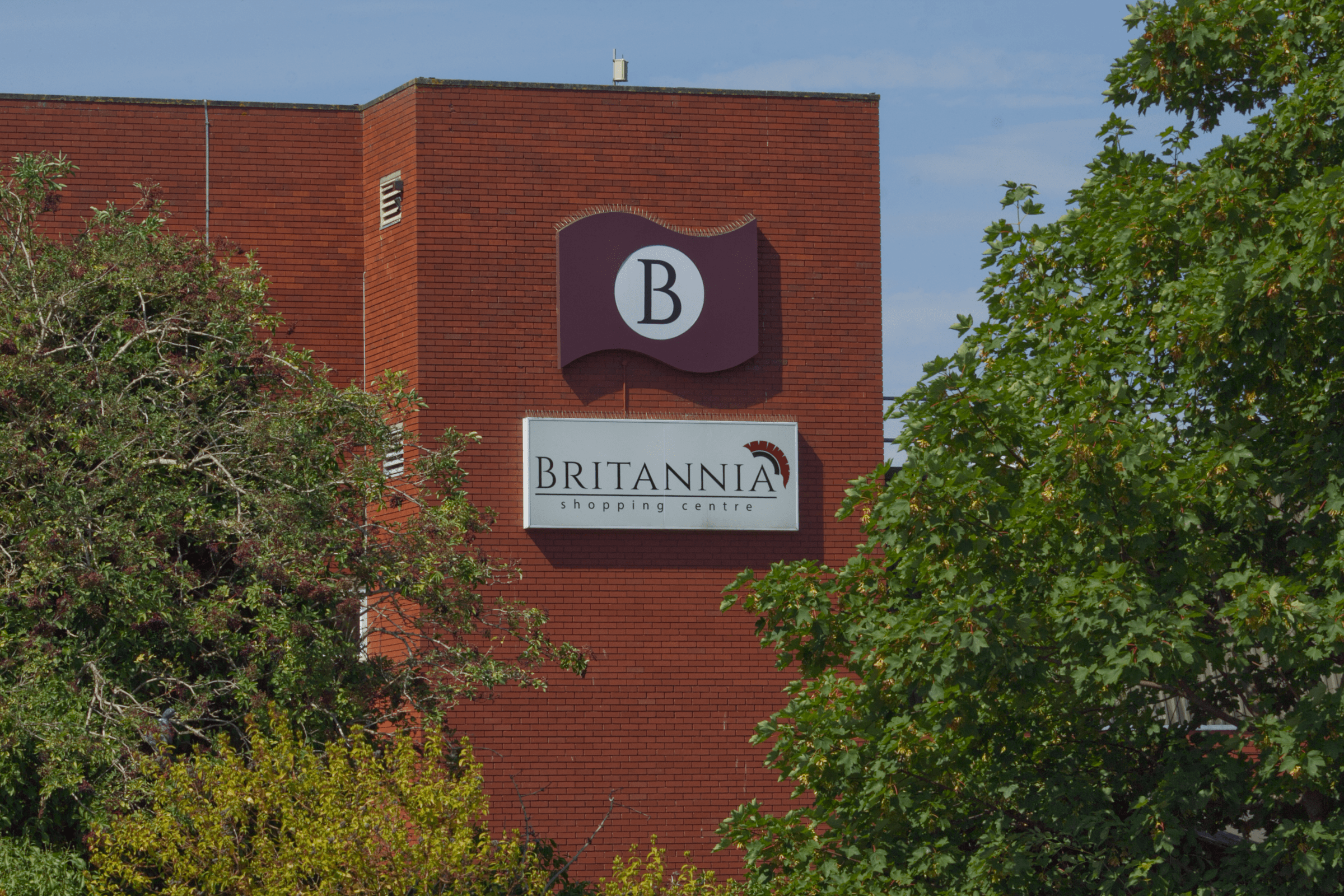
Hozah has taken over the Britannia Shopping Centre car park in Hinckley after NCP's administration, switching it to a barrierless ANPR system in three days, extending opening hours and working to win back local drivers' trust.
3 weeks ago