Shopping Centre Regeneration: How Parking Can Adapt to Keep Pace
Shopping centre regeneration is turning empty retail into the place a town relies on. The car park has to keep up, and most don't.
2 weeks ago
Industry
News
August 16, 2026
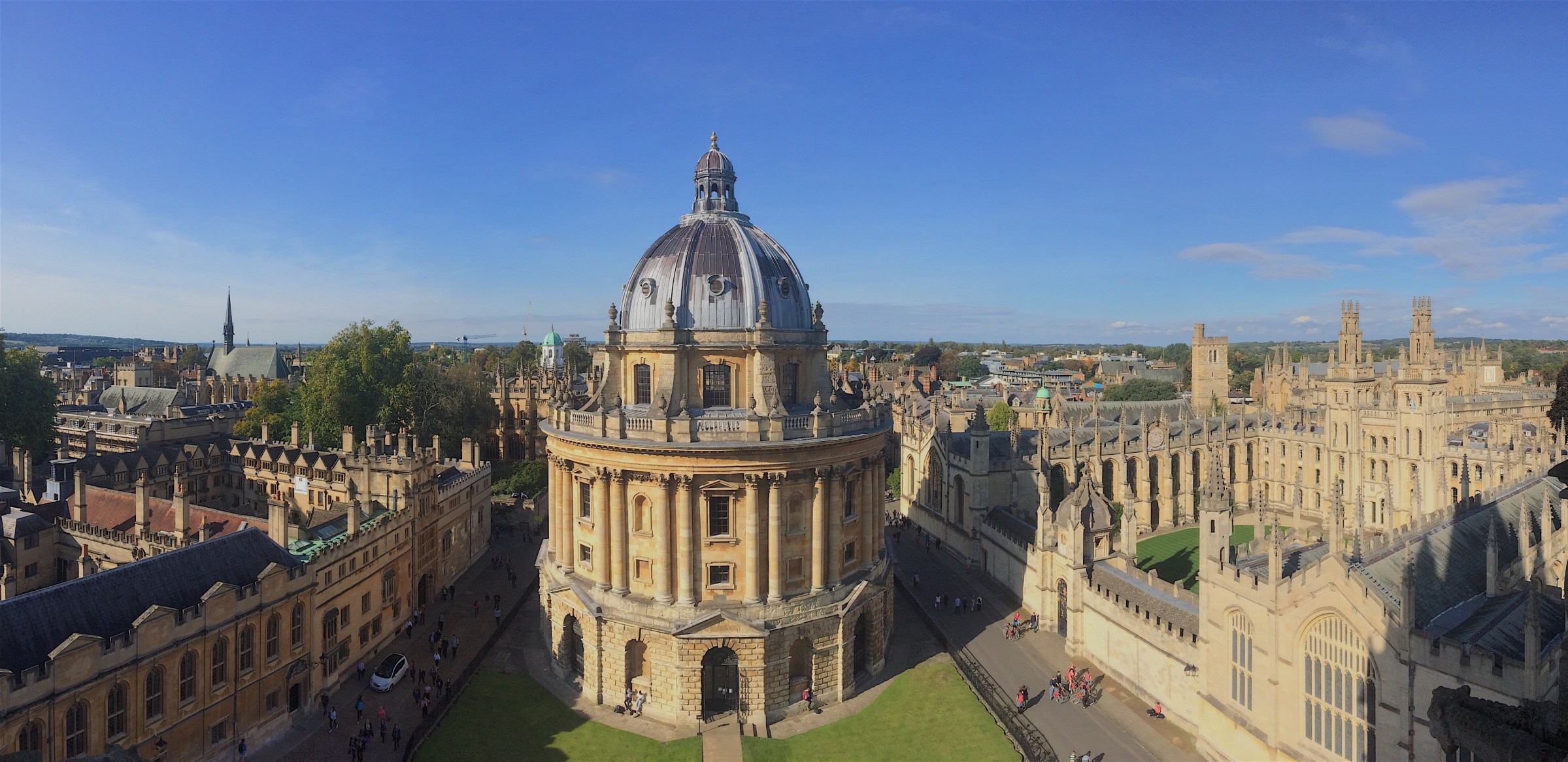
The financial position of UK higher education has reached a critical juncture. According to the Office for Students’ financial sustainability analysis, 45% of English universities now face operating deficits, with one in six institutions holding less than 30 days’ liquidity.
This isn’t a temporary squeeze. Universities UK’s analysis reveals that institutions receive £6.4 billion less annually for teaching than they did a decade ago when adjusted for inflation.The sector has endured three consecutive years of declining surplus and liquidity, forcing universities into an uncomfortable position: cut deeper, or find new ways to increase university revenue generation.
For estates directors, this crisis manifests in impossible choices. The Association of University Directors of Estates (AUDE) reports that property operating costs have surged by 35% over just two years, with universities now spending as much on energy as they do on repairs and maintenance combined.
At the same time, there’s growing anecdotal evidence of an expanding maintenance backlog with critical infrastructure deferred because the money simply isn’t there.
The human cost is equally stark. Over 13,000 redundancies were announced across the sector in 2024-25 alone, as institutions desperately attempted to balance their books. Yet as one sector analyst noted in January 2025, you can’t cut your way to sustainability; instead, institutions need sustainable revenue generation.
Against this backdrop, every university leader faces the same question: where can we generate additional revenue without compromising our core mission?
Universities UK’s “Blueprint for Change” specifically calls for institutions to generate local growth and secure future strength, clearly signalling that creative income generation must become a strategic priority. Professional services firms are advising institutions to seek out innovative ways income can be generated whilst simultaneously optimising existing estates.
The challenge is identifying quick wins; improvements that deliver measurable financial impact without requiring substantial capital investment or creating implementation risk. Estates teams are scrutinising every campus asset through a commercial lens, from buildings and conferencing facilities to research partnerships.
Yet one asset consistently falls through this strategic review: the car park.
Most universities view parking as an operational necessity rather than a revenue opportunity. Yet car parks are tangible assets that nearly every institution owns, already generate some revenue, and affect thousands of users daily, making them a practical lever for university revenue generation.
At Hozah, our work with institutions, including Bournemouth University and the University of Hertfordshire, reveals substantial untapped potential. Through AI-driven automation, including frictionless ANPR payment, integration with existing university systems such as Single Sign-On, and real-time analytics, we’ve helped universities transform permit administration, which once consumed hours of staff time, into automated self-service, whilst improving revenue capture by reducing missed payments and removing points of system failure.
The financial impact can be significant. By way of illustration, for a university car park generating £200,000 annually, even a conservative 15% improvement represents £30,000 in additional income, achieved not by raising prices but by better capture, smarter pricing and operational efficiency.
Beyond revenue, the data provided by these systems informs strategic estate decisions. Real-time occupancy analytics reveal whether institutions are maintaining more parking capacity than required, providing critical intelligence when estate footprint reduction is a priority.
In an environment where 45% of universities face deficits and estates budgets are under relentless pressure, institutions need to extract maximum value from every asset. Car parks may represent exactly this opportunity: an existing asset where proven technology can unlock substantial additional value whilst reducing administrative burden.
The institutions that will navigate this financial crisis successfully are those willing to challenge assumptions about which assets are strategic and which are merely operational. Sometimes the most valuable opportunities are hiding in the most overlooked places.
Discover how the Hozah Ecosystem connects payments, permits, enforcement and live estate data to improve campus parking performance.
Chat to our team to explore how Hozah could support your institution’s parking transformation

Shopping centre regeneration is turning empty retail into the place a town relies on. The car park has to keep up, and most don't.
2 weeks ago

Hozah now manages car park enforcement across 14 sites for retail landlord 9 Yards, using data on dwell time, occupancy, and repeat visitation to protect the customer experience and support tenant attraction. Here's what 9 Yards' Co-Head of Asset Management has to say about the partnership.
3 weeks ago

Blackburn Rovers needed to introduce paid parking at Ewood Park without upsetting supporters. See how Hozah's ANPR cameras and digital payments cut matchday queues and grew footfall by 28%, and download the full case study.
3 weeks ago