Naval Row: A New Way to Park near Canary Wharf
Hozah opens Naval Row, a 130-bay barrierless car park beside East India DLR station, bringing a long-disused site back into use for drivers across east London's Docklands.
1 week ago
News
Product
June 25, 2026
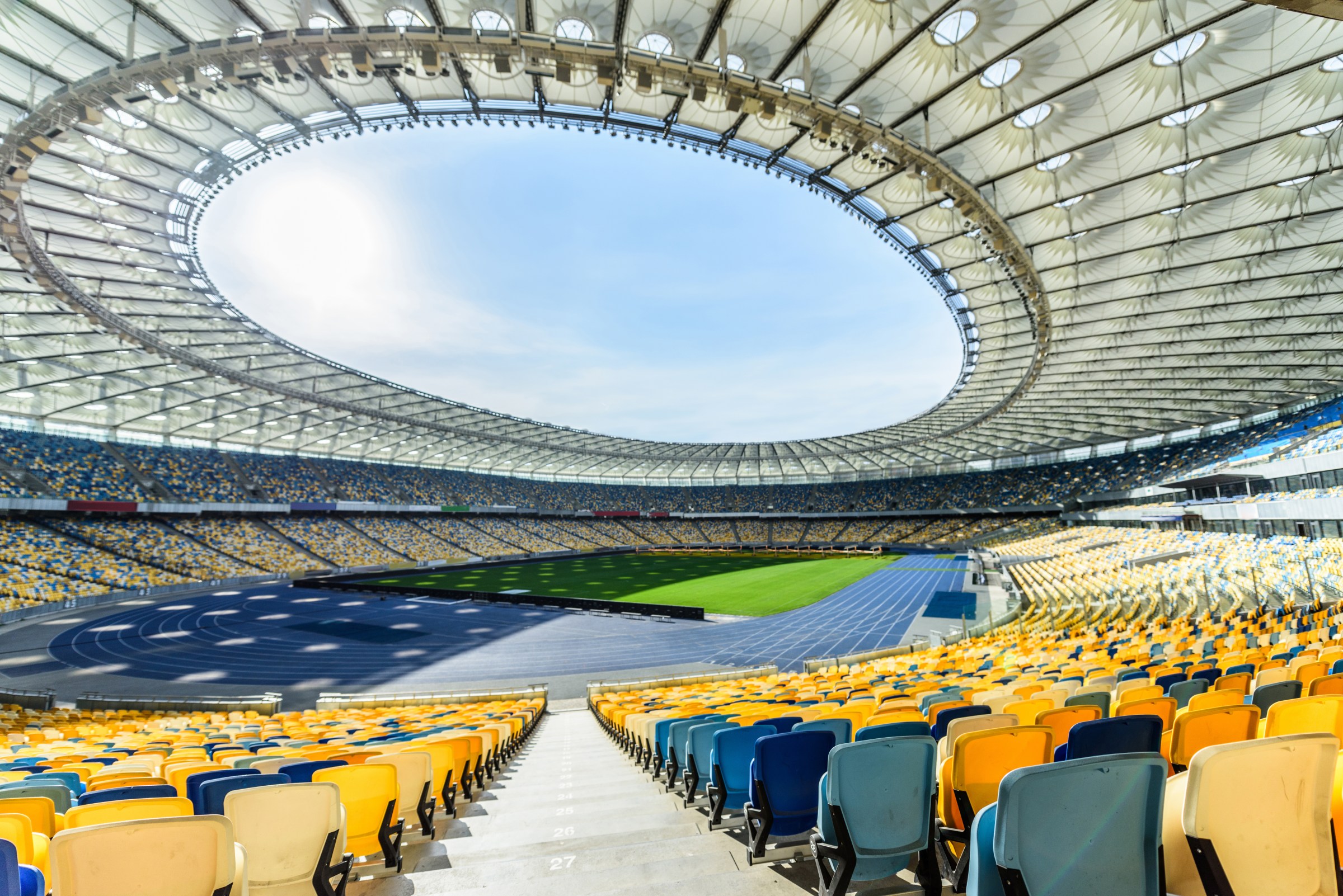
The 2026 FIFA World Cup is the biggest sporting event on the planet. Billions of dollars of infrastructure. Three host nations. 104 matches across 39 days. And yet, one of the loudest complaints from fans attending in person has nothing to do with the football. It is the car park.
Not the price, though that is eye-watering. Not the scarcity, though that is real too. The complaint that keeps surfacing, from TripAdvisor reviews to live news coverage, is simpler and more damning: nobody knew where to go, and when they got there, nothing worked as it should.
At Levi’s Stadium in Santa Clara, ranked 15th out of 16 World Cup venues by USA Today, fans specifically called out disorganised parking, poor exit signage, and a layout that left the average attendee confused and frustrated. TripAdvisor reviewers described not being able to navigate exits, limited wayfinding, and a general sense that the parking operation simply had not kept pace with the scale of the event (The Mirror US, 2026).
These are not isolated gripes. At Gillette Stadium in Boston, a test event held ahead of the tournament saw 7,000 fans bottlenecked by overwhelming traffic on local roads, causing them to miss kick-off entirely. Analysis of previous large-scale events at MetLife Stadium found that a lack of adequate park-and-ride solutions led to significant congestion on nearby routes, a problem that has now been acknowledged at the tournament itself (StadiumDB, 2026).
“When 80,000 people arrive within the same two-hour window and there’s no real-time visibility into where space exists, the car park becomes the worst part of the day.”
The underlying problem is not capacity. These are NFL venues with vast parking infrastructure built for exactly this kind of demand. The problem is management, or the absence of it. When arrivals cluster, when there is no intelligent routing, no real-time occupancy data, and no frictionless way to enter and exit, the result is predictable. At these prices, fans expect nothing less than seamless (ESPN, 2026).
This matters because the car park is also the first part of the day. Before a fan sees the pitch, before they buy food, before they find their seat, they navigate the car park. Get that wrong and the experience is coloured before it has really begun. Get it right and it disappears entirely, which is exactly what a well-managed operation should do.
The World Cup examples are extreme, but the dynamics are universal. Any venue that draws a crowd, a retail centre on a Saturday, a hotel hosting a conference, a hospital at peak visiting hours, a university campus at enrolment, all face a version of the same challenge. Arrivals cluster. Capacity fills unevenly. Drivers make decisions without information. Operators respond reactively rather than in real time.
The difference between a well-managed car park and a poorly managed one is invisible when it is quiet. It shows up under pressure.
The tools that would have prevented the World Cup car park complaints are not complicated. Real-time occupancy visibility so operators know when and where pressure is building. ANPR-driven entry and exit that removes friction at the gate and eliminates the need for manual processing. Digital-first payment that works before a driver has even left home. Clear, data-driven wayfinding that routes people intelligently rather than leaving them to figure it out themselves.
None of this is new technology. What is new is the expectation that it should be standard, not a premium add-on for flagship venues, but the baseline for any operator that takes the visitor experience seriously.
The World Cup has put parking management on the front page because the failures are spectacular in scale. But the lesson is not that big events are hard to manage. The lesson is that parking operations which rely on static infrastructure and reactive management will always struggle when demand peaks. And demand always peaks.
The World Cup ends in July. Book a meeting below and prepare your venue for the season
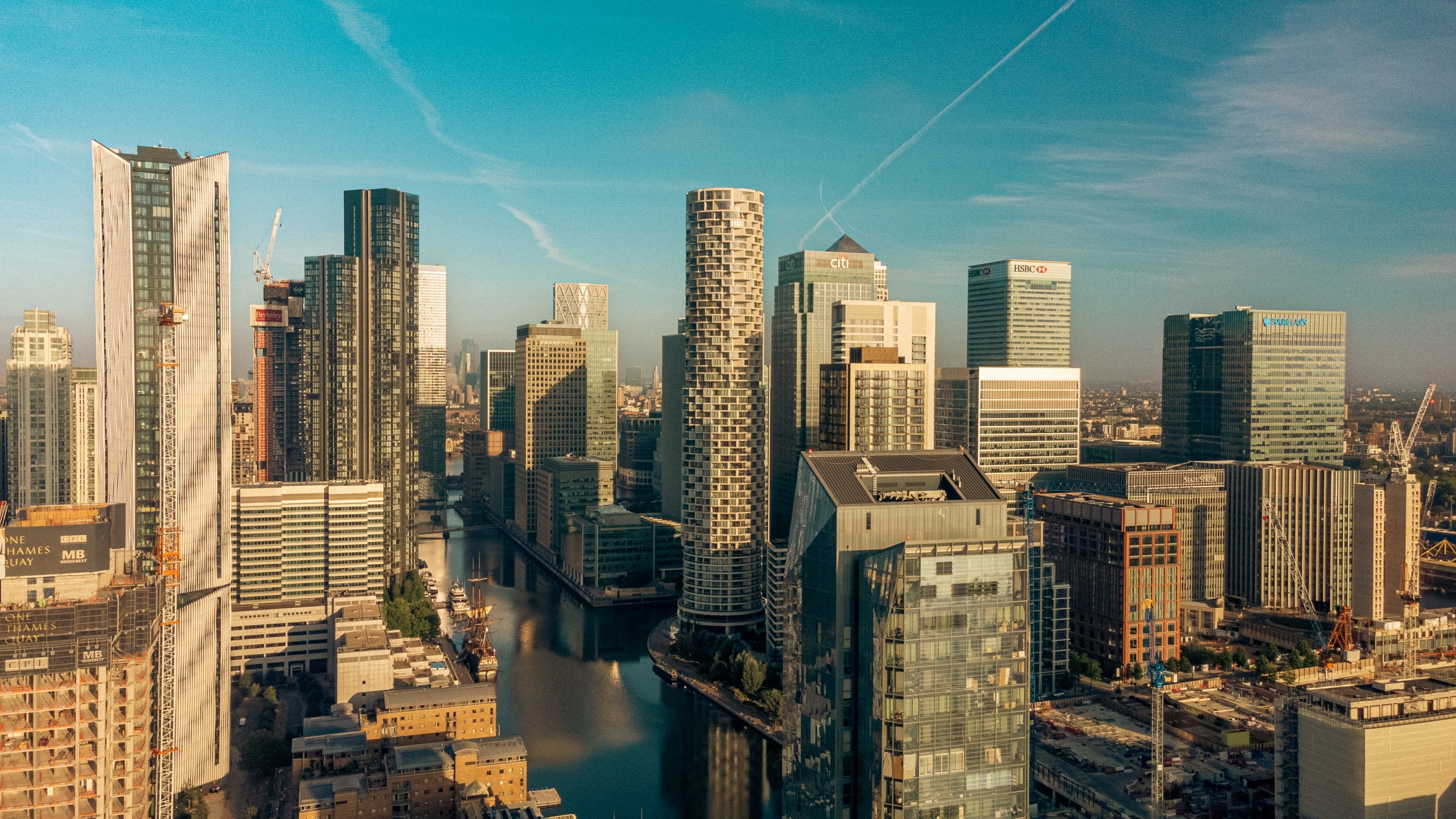
Hozah opens Naval Row, a 130-bay barrierless car park beside East India DLR station, bringing a long-disused site back into use for drivers across east London's Docklands.
1 week ago

UK retail sales and physical space demand are both recovering, shifting the competitive question from filling units to retention and experience. Parking is often a shopper's first and last impression, and barrierless ANPR payment removes that friction at zero capex cost to the landlord.
1 week ago

Hozah has taken over the Britannia Shopping Centre car park in Hinckley after NCP's administration, switching it to a barrierless ANPR system in three days, extending opening hours and working to win back local drivers' trust.
1 week ago