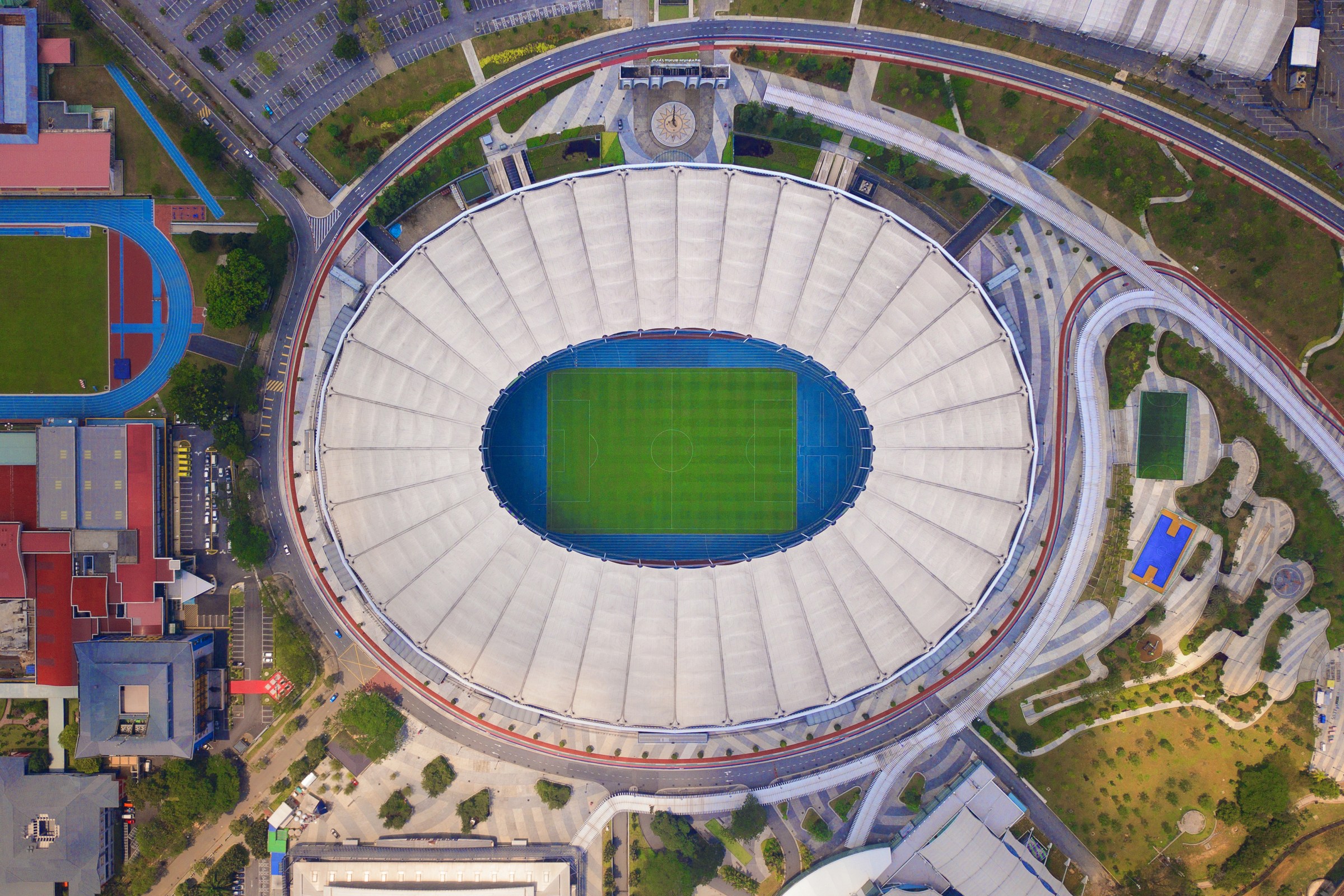
Every matchday, tens of thousands of fans arrive at a stadium inside a ninety-minute window, park, pay, watch the match, and leave in an even shorter one. For venue operators, it is a logistical problem. For asset managers, it is something else entirely: a significant revenue stream that, at most venues, is still being left on the table.
Stadium car parks have long been treated as an operational afterthought. The institutional view is catching up with what the numbers have been saying for a while. Infrastructure funds, REITs, and private equity are all now active in the parking sector, and parking infrastructure, properly managed, behaves much like a core infrastructure asset. Demand is reliable. Pricing holds up under pressure. Revenue keeps coming in when other asset classes soften. And there is a meaningful margin to be unlocked through better technology.
A maturing asset class
JLL set up a dedicated Car Park Solutions team in 2022 and has since published research describing a sector “undergoing a dramatic shift driven by social, technological, commercial and environmental forces.” CBRE runs a parking capital markets practice in its own right. Primevest Capital Partners, Europe’s largest car park investment manager, now manages over €1bn in parking assets across five funds, with institutional backing, including pension fund mandates.
This is no longer a niche. It is a recognised asset class attracting serious capital.
Why stadium parking is structurally different
Unlike a shopping centre, where footfall spreads across a trading day, a stadium car park has to absorb and release thousands of vehicles in short, intense windows. Legacy barrier and ticket-based systems were not built for this, and the failure modes are predictable:
Entry queues build fast. A fifteen-second delay per vehicle scales brutally under surge conditions, fans miss kick-off, and the venue wears the complaints.
Payment breaks down. Card readers time out, machines queue up, and every failed transaction is revenue that does not land.
Permits get messy. Season ticket holders, hospitality, media, contractors, matchday staff and general public all need different access rights, and manual enforcement cannot keep pace.
And the data runs thin. Ticket-based systems record transactions but very little else, leaving asset managers without real visibility into occupancy, yield, or leakage.
Each of these is a direct hit on yield. Together, they are the reason most stadium car parks underperform their potential.
The revenue picture
At Blackburn Rovers, the move to barrier-free ANPR delivered a measurable uplift in matchday parking revenue alongside faster entry and exit, and the data now feeds directly into commercial decision-making on pricing and permit allocation. It is a template other clubs and venues are following.
Across Hozah-managed sites, the same pattern repeats. Revenue rises, dwell time improves, and visitor feedback improves as well, because the parking experience no longer becomes a friction point.
For asset managers, the implications are straightforward. Connected parking infrastructure produces a higher-yielding, better-evidenced asset, one that is easier to value, easier to benchmark and more attractive in any future refinancing or disposal. The operational model is low-touch once implemented, and the data trail supports the underwriting that institutional capital expects.
The strategic view
Major sports and entertainment venues will continue to draw large numbers of people by car. The question is not whether the car park generates revenue. It is whether it generates the revenue it should, and whether there is evidence to prove it.
Closing that gap pays off in more than one direction. Yield improves. The asset becomes easier to evidence and manage. And the platform quietly delivers against ESG reporting too, with less idling at peak times, lower emissions through real-time occupancy guidance, and a measurable reduction in wasted driver mileage at the site gate.
For an asset that already sits on the balance sheet, that is rare: a performance lift that does not require capital expenditure to unlock.