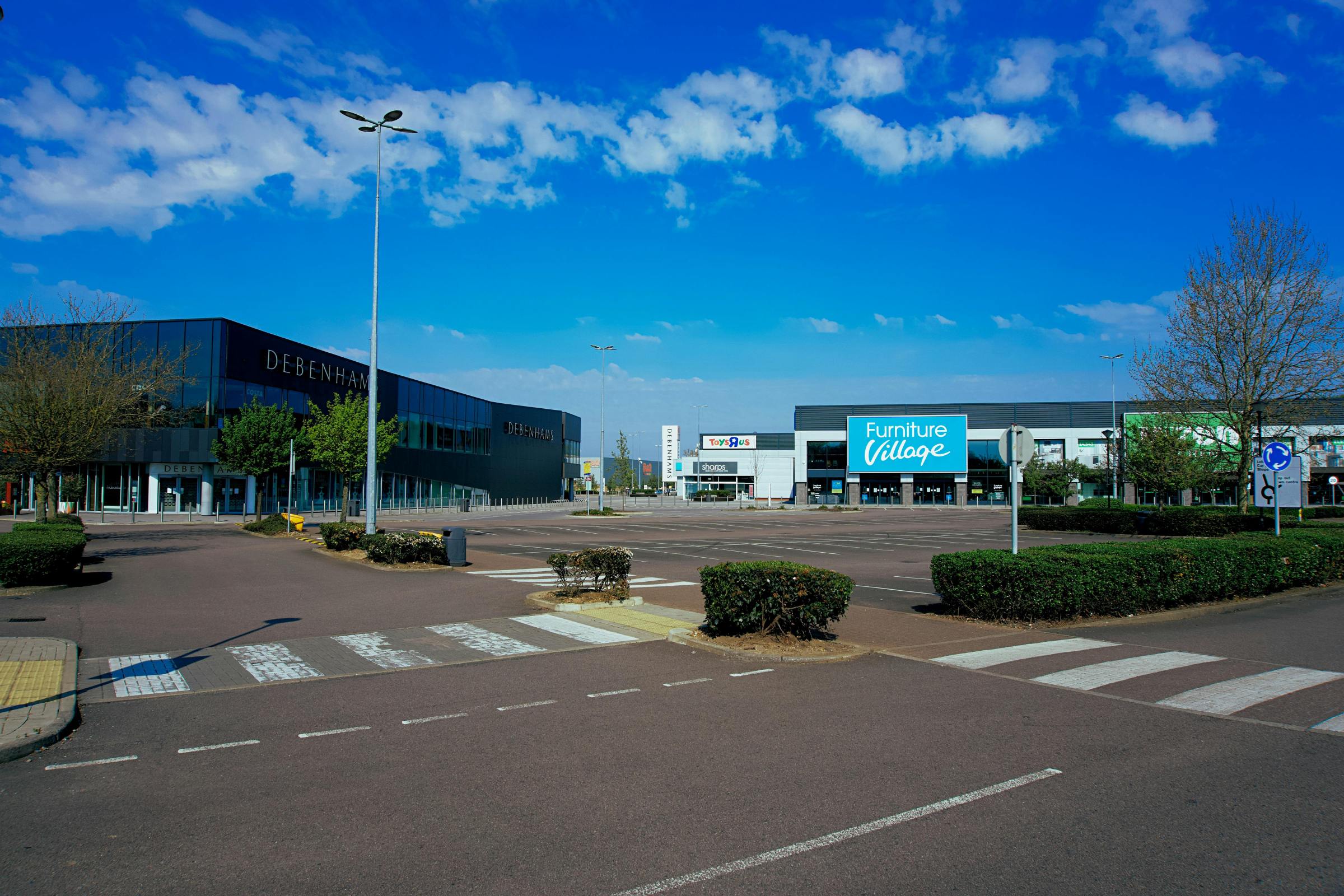
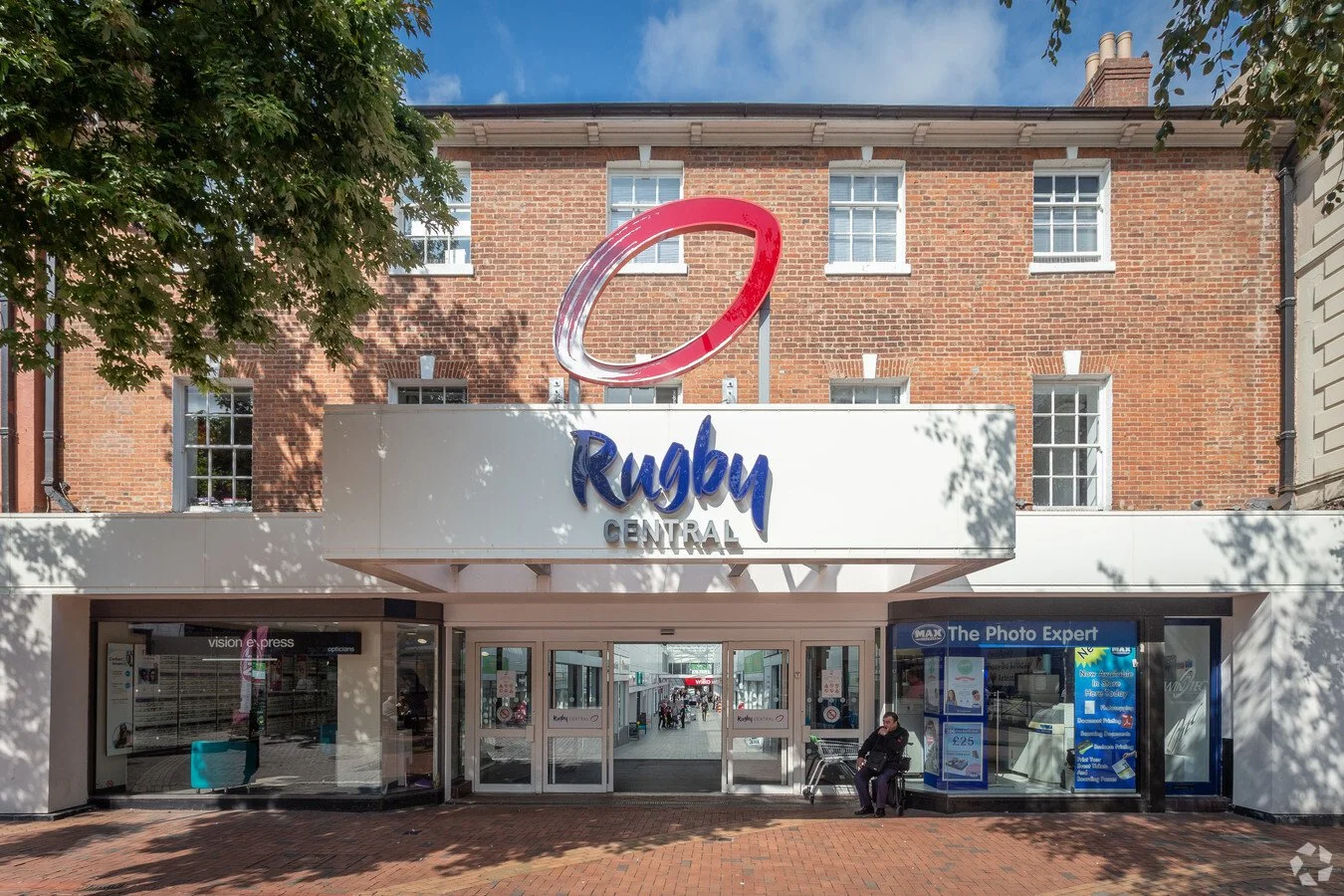
The UK retail parks sector has kicked off 2026 with incredible momentum! It is truly inspiring to see a level of confidence in the market that few would have predicted just a few years ago.
According to CBRE’s UK Retail Parks 2025 report, footfall is outperforming other formats, investor appetite is strengthening, and occupier demand remains resilient despite a volatile economic backdrop. Investment in UK retail warehouses surged 32% year-on-year in the first half of 2025, reaching £1.5bn. This level of activity reflects growing investor confidence in the sector’s resilience and long-term growth potential.
But this success isn’t an accident. It is a testament to the retail industry’s intelligence. Their outperformance reflects a brilliant evolution in how consumers use physical space, how occupiers deploy stores, and how owners extract value from every part of the asset.
For asset managers and decision-makers, this is an exciting time. The opportunity now is to actively shape these assets to match this new retail landscape and make every touchpoint shine.
Convenience Has Become the Core Proposition for UK Retail Parks
One of the clearest signals from CBRE’s research is that convenience-led retail continues to win. As online shopping stabilises at around 27% of UK sales and total retail sales surpass pre-pandemic (2019) levels, physical locations that make life easier for people are thriving.
Retail parks are particularly well placed here. With easy parking, great access, and the ability to combine shopping with click-and-collect, gym visits, or a coffee run, they offer exactly what modern consumers value, all contributing to footfall growth.
For asset owners, this is a game-changer and shifts the way success should be measured. It’s not just about counting footsteps anymore; it’s about celebrating why people visit and ensuring their experience is seamless from start to finish.
Strong Occupier Demand, but Rising Operational Pressure
Tenant demand across retail parks remains robust, particularly from value retail, food, leisure, and essential categories. Vacancy rates have recovered quickly, falling to 6%, underscoring strong occupier demand despite large-scale corporate failures. Rental growth has also returned, particularly for well-configured small- to mid-sized units.
At the same time, retailers face increasing operational pressure. Labour costs, business rates, tariffs, and margin sensitivity mean occupiers are far more focused on efficiency and performance per location than before.
This dynamic has implications for asset strategy. Retailers are increasingly selective, favouring locations that deliver predictable, repeatable performance and minimise operational complexity. Assets that help occupiers operate more efficiently by reducing friction for customers and staff are better positioned to retain and attract demand over the long term.
Making Every Touchpoint Work Harder
Building on CBRE’s findings, one implication is that the retail parks that perform best are those that sweat the details.
Parking, access, dwell time, and customer flow are no longer background considerations. They are core components of the customer experience and, by extension, of asset performance. Subtle inefficiencies, unclear rules, outdated systems, and poor data visibility can quietly erode value in an otherwise strong scheme.
Conversely, assets that treat these elements as strategic levers gain greater control over utilisation, tenant satisfaction, and long-term resilience. This is particularly important as retail parks continue to evolve into mixed-use destinations rather than single-purpose shopping locations.
What This Means for Hozah and the Assets We Support
At Hozah, we see these shifts unfold every day across retail assets. The evolution highlighted in CBRE’s report closely aligns with what we hear across the retail sector: the challenge is no longer simply attracting visitors but understanding and optimising how assets are used in practice.
Parking is one of the most powerful and often underutilised touchpoints in that journey. It shapes first impressions, influences dwell time, supports different visit types, and provides valuable insight into customer behaviour when managed as part of The Hozah Ecosystem rather than as a standalone function.
Our role is not to introduce complexity for its own sake, but to help asset owners extract more value from existing infrastructure. We do this through integrated payments, compliance, enforcement, and data that provide a clearer picture of demand, usage, and friction across a site.
As retail parks continue to outperform, the next phase of value will come from assets that actively manage this evolution rather than merely reacting to it. Making the most of every touchpoint is no longer optional; it’s how leading assets stay ahead.
Talk to The Team About How Your Asset is Performing