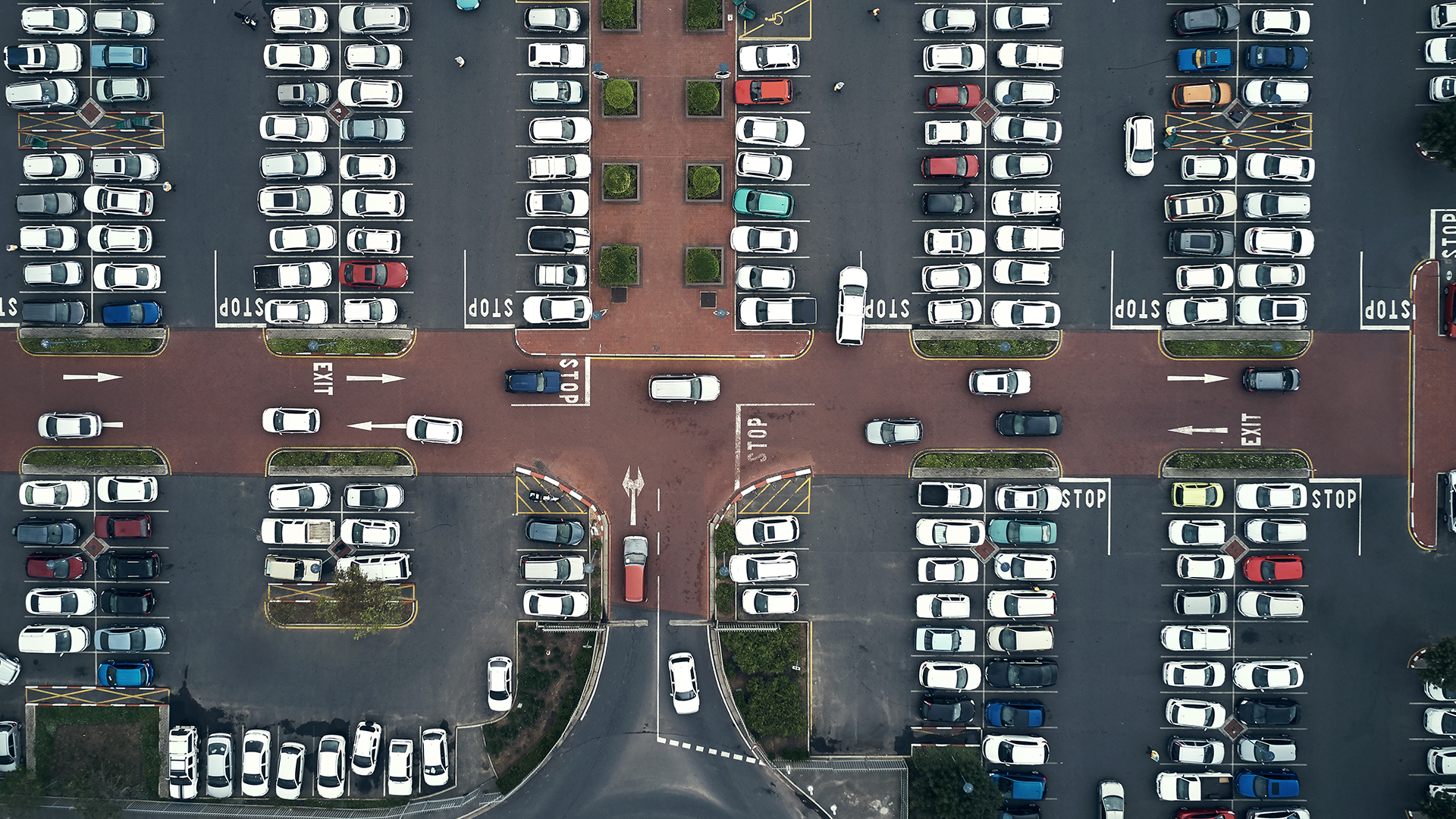
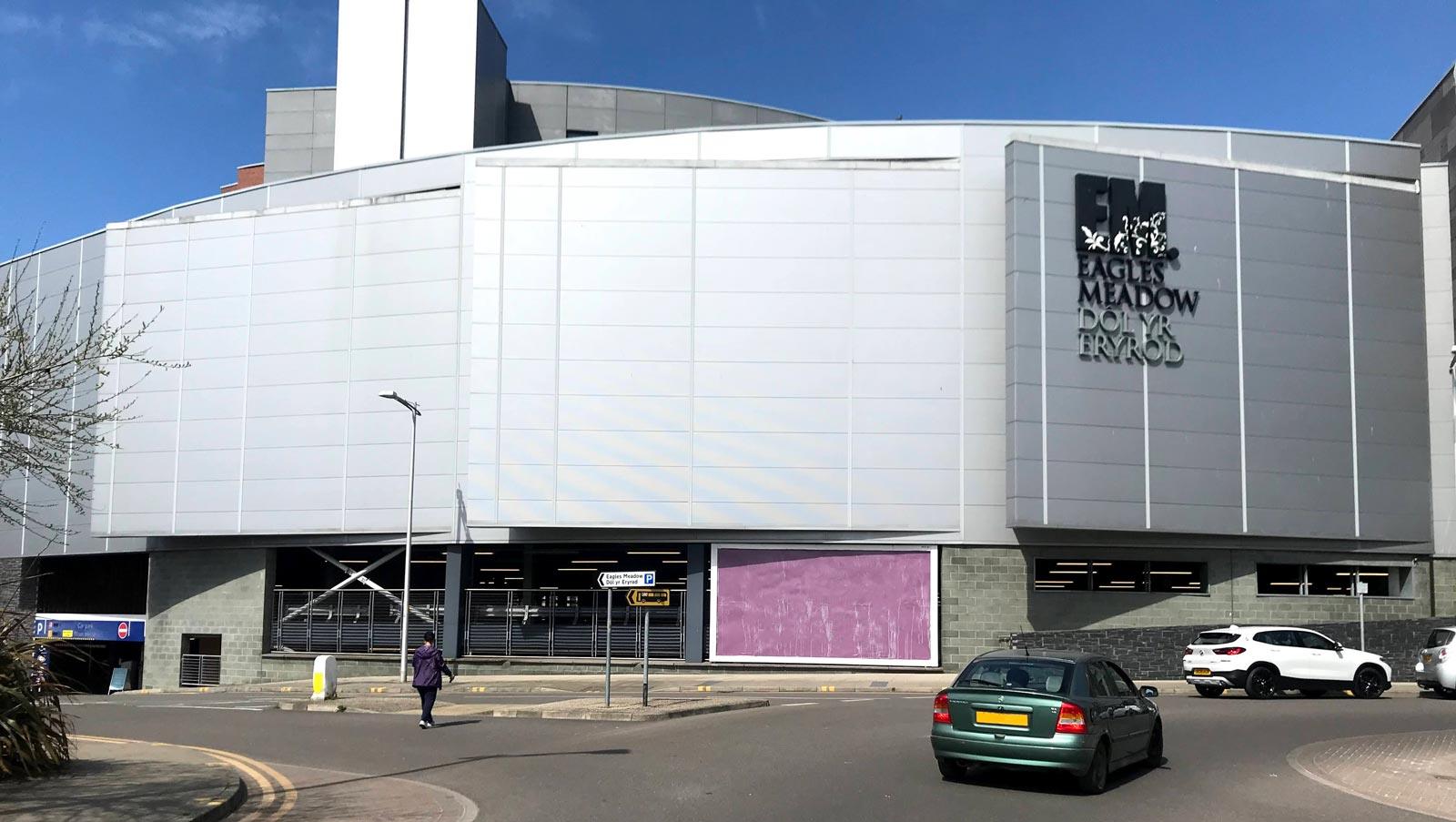
In December 2025, JLL’s 2026 Corporate Real Estate Trends to Watch argued that real estate has to stop being a cost centre and start behaving like infrastructure. A year on, most occupiers would still agree. Far fewer can point to where it has actually happened. As 2027 budgets are set, one of the quickest places to show it is ANPR parking.
Key takeaways
- JLL’s 2026 trends asked corporate real estate to treat AI as infrastructure, not a pilot, and to cut FM costs while improving how buildings feel to use.
- The car park is often the least modernised part of an estate, still run on barriers, paper permits and pay machines.
- ANPR parking automates entry, payment, permits and enforcement, and gives occupiers live occupancy and revenue data without a driver app.
What JLL asked of real estate in 2026
Two of JLL’s five trends were less about strategy and more about whether the systems inside a building actually work.
- AI had to move from pilot to infrastructure: JLL found that AI exploration had jumped from under 5% of CRE teams planning pilots in 2023 to 92% in 2025. Most of it was still experimental. The main barrier wasn’t ambition. 54% of teams named compatibility with legacy infrastructure as their biggest obstacle.
- Facilities management had to cut cost and improve experience at the same time 84% of FM leaders said cost was their top concern, with wellbeing and safety close behind. And 78% of organisations said they now prioritise FM partners who understand their business, not just the cheapest.
Put together, the brief was clear. Find the parts of the estate still run on manual processes and old hardware. Then turn them into a live data layer that saves money and makes the building better to use.
Why the car park is still the overlooked line item
Across many estates, the car park is the part that technology programmes skip. It is busy, it earns revenue, and it matters for safety. Yet it often still runs on barriers, paper permits and pay machines that provide limited operational insight. It’s the same legacy infrastructure problem JLL described, just sitting in the car park rather than the server room.
What ANPR parking delivered in 2026
This is the space Hozah works in. Our ANPR parking ecosystem digitises car park operations: entry and exit recognition, automated permits, AutoPay, enforcement, and occupancy and revenue data. Drivers don’t need an app, and site teams don’t need to manage tickets.
That isn’t an AI chatbot bolted onto an old system. It shows the wider principle behind JLL’s prediction: embedding proven technology and data into everyday infrastructure.
Hozah’s own 2026 figures show what that looks like in practice. At sites live in both periods, average dwell time in the first half of 2026 rose 9.3% on the same period in 2025, from 72.8 to 79.6 minutes. Like-for-like parking revenue rose 10.5%.
Those results cover both of JLL’s FM priorities. Automating entry, payment, and enforcement removes manual work that eats into FM budgets and closes the revenue gap from unpaid parking. At the same time, a contactless arrival with no queue changes how people feel about arriving at a site. That matters when, as JLL put it, workplaces now have to be “commute-worthy”.
Where to start in 2027
None of this needs a new portfolio strategy. Upgrading a car park is a contained project that can go live in months, not years. For occupiers and landowners setting 2027 budgets, it’s a quick way to prove the “AI as infrastructure” idea can be delivered. It starts with the part of the estate everyone walks through, and nobody has modernised.
Build your 2027 case
Planning your 2027 budgets? Book a meeting with our team. We’ll look at how your car parks run today, where revenue and data are being lost, and what moving to ANPR parking would involve, including timings and our zero-capex model. You’ll come away with a clear case to take into your budget round.