Shopping Centre Regeneration: How Parking Can Adapt to Keep Pace
Shopping centre regeneration is turning empty retail into the place a town relies on. The car park has to keep up, and most don't.
2 weeks ago
Events
Industry
November 26, 2025

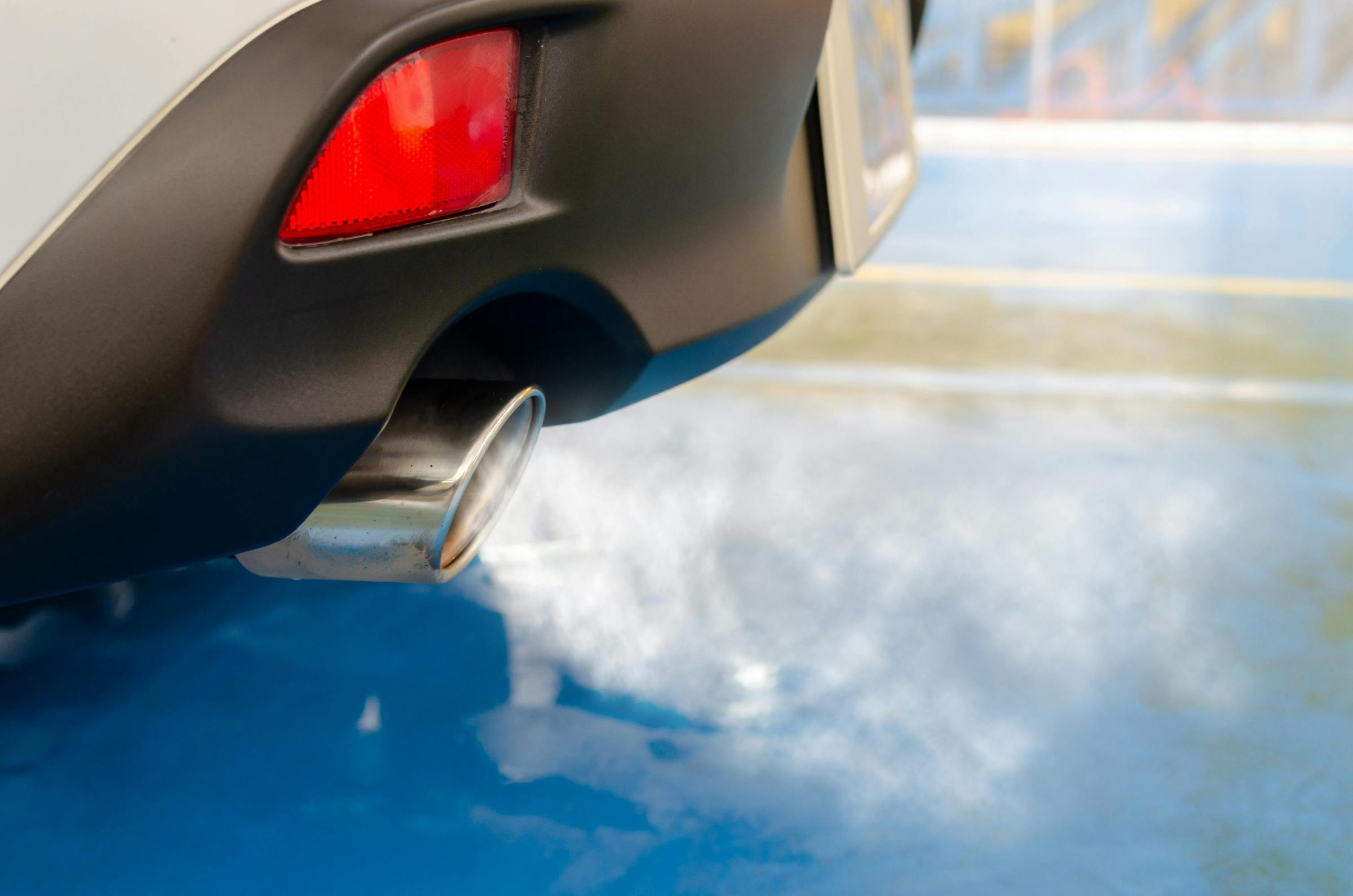
When people think “clean technology,” parking isn’t always the first thing that comes to mind. But inefficient car parks with long queues, paper tickets, barriers, and drivers idling at machines, generate wasted fuel, extra CO₂ and local air pollution. Hozah’s recent CleanTech award win in Deloitte’s UK Technology Fast 50 highlights how sustainable parking solutions can deliver measurable environmental gains alongside revenue and operational benefits for landowners.
You might not realise how much emissions build up when cars sit with engines running. According to research by TRL, even one minute of idling from a diesel vehicle emits around 30 g of CO₂, along with nitrogen oxides (NOₓ) that degrade local air quality.
These pollutants don’t just vanish, they concentrate close to the ground, affecting nearby pedestrians and residents. Idling becomes especially problematic in high-footfall areas, such as car park entrances and exits.
Councils across the UK consistently promote reducing idling using anti-idling signage, because it improves local air quality and protects vulnerable groups. However, signage alone cannot change behaviour. The infrastructure must remove the need to idle in the first place.
This is where Hozah’s sustainable parking solutions make a real difference.
Hozah’s award-winning platform doesn’t just modernise parking, it helps cut that idling entirely by removing the need for stop-start driving.
These features work together to create a sustainable parking solution that reduces carbon output and improves the overall parking experience.
A key pillar of Hozah’s sustainable parking solutions is our dynamic, emissions-based pricing.
Tariffs can be adjusted based on vehicle type or environmental policy, allowing operators to:
It’s one of the simplest ways to shift driver behaviour, without requiring any additional infrastructure.

Coventry City Council introduced Hozah’s ANPR AutoPay as part of its move toward a more connected and sustainable smart-city infrastructure. The council wanted parking that was easier for residents, supported its digital-first agenda and reduced the friction points that traditionally cause queues and idling at barriers and pay machines.
For the council, Hozah also delivered operational benefits including improved compliance, reduced maintenance demands, and a more modern experience that aligns with Coventry’s long-term transport and sustainability goals. The system has become a reliable part of the city’s wider digital infrastructure plan, showing how simple, automated solutions can support cleaner and more efficient mobility.
Parking is more than a place to leave a car. It is a piece of urban infrastructure that can improve air quality, enhance visitor experience, strengthen ESG performance and increase the value of a site. Hozah’s sustainable parking solutions turn a traditional pollution point into a CleanTech asset.
Hozah’s CleanTech recognition in Deloitte’s UK Technology Fast 50 reflects rapid growth combined with real environmental impact. It confirms that Hozah’s model is not only scalable but sustainably scalable.
As cities and businesses push for cleaner and smarter operations, sustainable parking solutions are becoming an essential part of modern infrastructure.
Want to explore Hozah’s sustainable parking solutions for your site? Let’s talk.
Explore how Hozah brings ANPR, payments, intelligent tariffs and operational insights together to create more sustainable parking.

Shopping centre regeneration is turning empty retail into the place a town relies on. The car park has to keep up, and most don't.
2 weeks ago

Hozah now manages car park enforcement across 14 sites for retail landlord 9 Yards, using data on dwell time, occupancy, and repeat visitation to protect the customer experience and support tenant attraction. Here's what 9 Yards' Co-Head of Asset Management has to say about the partnership.
3 weeks ago

Blackburn Rovers needed to introduce paid parking at Ewood Park without upsetting supporters. See how Hozah's ANPR cameras and digital payments cut matchday queues and grew footfall by 28%, and download the full case study.
3 weeks ago