The Hidden Cost of an Offline Car Park
When a remote car park can't take payments, the cost goes well beyond a broken kiosk. See how Shropshire Wildlife Trust turned The Wrekin around, and download the full case study.
10 hours ago
News
September 21, 2026
For decades, car park management has operated on a simple assumption: vehicle access must be controlled. Barriers regulate entry and exit, machines collect payment and enforcement deters misuse. It is a system often built around friction and intervention – and it shapes the first and last impression a visitor has of a destination.
Hozah, the London–based PropTech company behind the Hozah Ecosystem, has spent the past year demonstrating that there is a better way.
One Platform, Not a Patchwork
Ask a handful of operators how their car parks work today and most will describe some version of the same thing: number-plate recognition, automatic charging on exit, no ticket, no queue. That capability alone no longer separates one provider from another — several now offer it in some form.
What does separate Hozah is what surrounds it. Where most operators stitch together payments, enforcement, compliance, occupancy data and reporting from a patchwork of third-party suppliers, Hozah delivers all of it in-house, on a single platform it built itself. Live occupancy dashboards, automated permit management, event access controls, validated parking for occupiers, and monthly reporting on dwell time and visitor patterns all run alongside payment, with no external hand-offs required.
AutoPay, Hozah’s ANPR-based payment system, is one part of that platform: it recognises a registered vehicle on entry and charges automatically on exit, removing the ticket, the queue, and the machine that may or may not be working. But it’s the system around it — not the payment mechanism itself — that Hozah points to as the real point of difference.

The platform also accommodates occasional visitors who may have no reason to register for AutoPay. Depending on the location, drivers can pay through a straightforward web journey or use other payment options provided at the site, while permits, validated parking and enforcement are managed through the same Ecosystem.
It’s a shift in philosophy as much as technology: from parking as containment to parking as one seamlessly managed part of the visitor experience.
The Numbers Behind the Experience
The impact shows up clearly in the data. Across Hozah’s UK portfolio of 142 live sites, average dwell time rose from 72.8 minutes in 2025 to 79.6 minutes in 2026 — a 9.3% year-on-year increase on a like-for-like basis. Visitors aren’t just visiting more often; they’re staying longer once they arrive.
The pattern beneath that headline figure tells its own story. Half of all parking sessions across the estate last 30 minutes or less, reflecting the kind of high-frequency, convenience-driven visits — quick collections, short errands — that any healthy destination relies on. Layered on top of that is a steady rise in longer-duration sessions, which Hozah attributes to growing visitor confidence in a barrierless, friction-free parking experience. Meanwhile, session volume across the portfolio grew by an average of 47.2% year on year between January and June 2026, driven both by Hozah’s expanding footprint and by deeper engagement at sites already on the platform.
Lighter Operations, Fewer Failure Points
Removing barriers doesn’t just change the visitor experience — it changes the operational burden on site teams. The systems Hozah has replaced typically demanded constant manual intervention: staff operating barriers, answering intercom calls, processing permits by hand, and resolving disputes one at a time.
Under Hozah, driver queries route to a dedicated support team, permits are self-administered through the platform, and barrier-related breakdowns and maintenance demands are removed entirely. Place teams get live dashboards to guide staffing and event decisions in real time, and at flagship retail sites, major seasonal events and promotions have been run through the platform with Hozah-prepared driver communications, easing pressure on centre staff during the busiest periods. In the process, one of the most maintenance-intensive elements of a traditional car park — the barrier and machine hardware itself — disappears.
Built-in Community Impact
Community benefit isn’t an add-on for Hozah — it’s structural. Every site includes a charity partnership as standard, with a share of AutoPay profits donated to the client’s chosen cause. At Eagles Meadow, that funds ongoing support for North East Wales Mind, with similar partnerships running across the rest of the portfolio — including Rochdale, Festival Place and The Wellgate Centre — supporting causes such as Cash for Kids, the Fishermen’s Mission and Scottish Action for Mental Health, among others.
At Wellgate, permit partnerships with JD Gyms and a local school give regular community users structured, affordable access. At participating sites, eligible Blue Badge holders can register for concessions through the platform, removing the need to use a payment machine or seek assistance from site staff – accessible parking that works the way it should.
A Smaller Environmental Footprint
Eliminating physical infrastructure carries sustainability benefits too. AutoPay removes the need for paper tickets, printed permits, and cash receipts across every site — an estimated 21 tonnes of paper saved across the portfolio, equivalent to roughly 355 trees. Removing barriers and pay machines also cuts the energy and materials tied to that hardware, while barrier-free operation reduces the vehicle queuing and idling at entry and exit points that add localised emissions.
Proven at Scale
Hozah now operates across 142 live sites in the UK, spanning retail and leisure, healthcare, higher education, charities, hospitality, councils, and sports venues. Each site runs on the same underlying platform, configured to its own access rules, permit mix, and event requirements, and is typically live within three to four weeks regardless of complexity.
A zero-capex, revenue-share model removes the usual investment barrier, making the platform accessible to destinations of any size or ownership structure — and the consistent gains in dwell time and engagement across a portfolio this large suggest the benefits are repeatable, not the product of a few favourable sites.
In Their Own Words
The results resonate with the people running these destinations day to day:
Since implementing Hozah, revenue has really increased. Their technology puts the driver experience first, resulting in increased dwell time and repeat visitors.
Our car parks, managed by Hozah, continue to go from strength to strength in revenue generation, occupancy, footfall, and driver satisfaction.
Simple for visitors to use and has significantly improved our parking operations management.
For an industry that has long treated parking as a necessary inconvenience, Hozah’s pitch is straightforward: when you stop treating visitors as a problem to be managed and start treating them as guests to be welcomed, the revenue, the community impact, and the sustainability gains tend to follow.
See What Smarter Parking Could Deliver

When a remote car park can't take payments, the cost goes well beyond a broken kiosk. See how Shropshire Wildlife Trust turned The Wrekin around, and download the full case study.
10 hours ago
14 hours ago
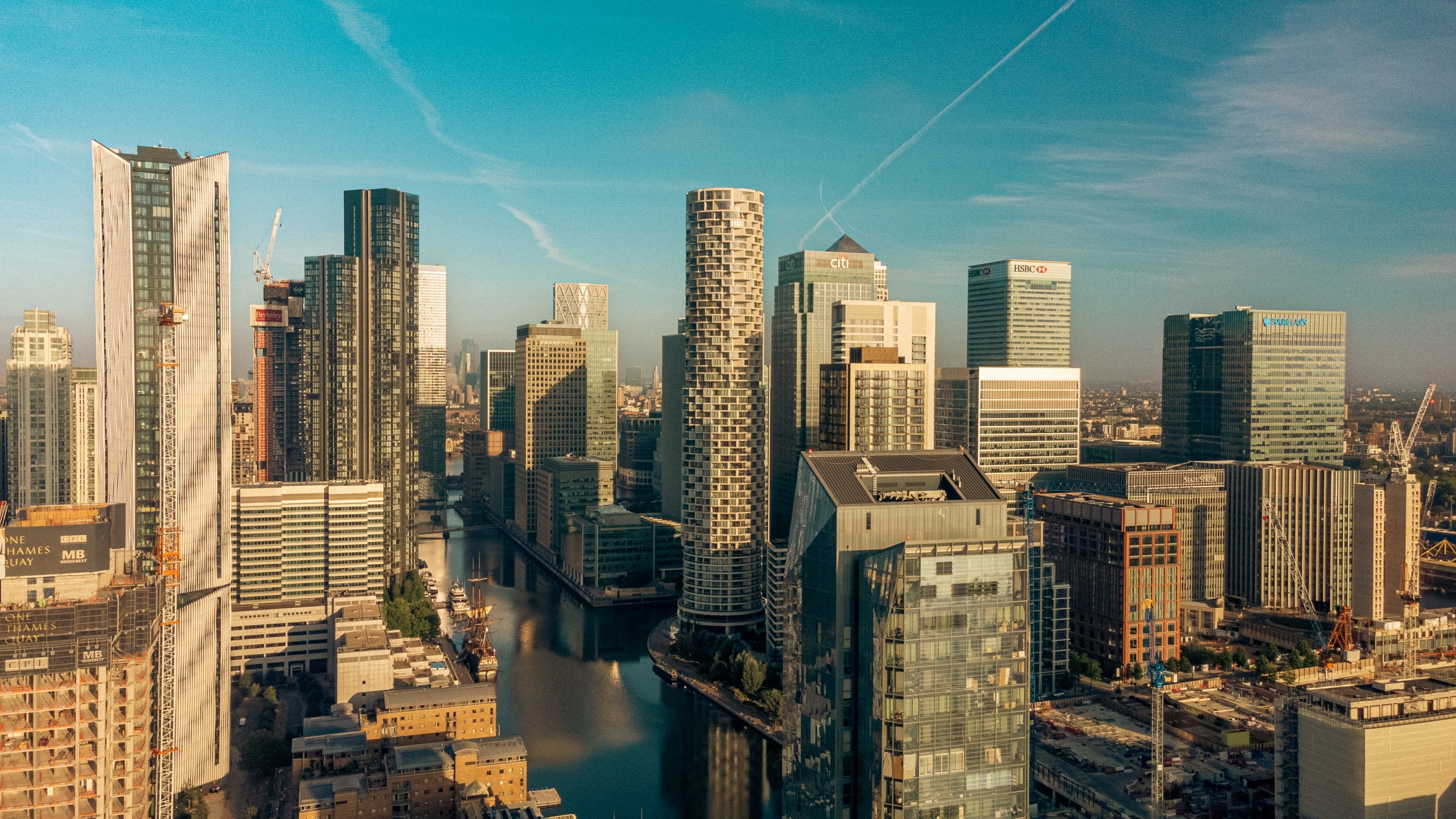
Hozah opens Naval Row, a 130-bay barrierless car park beside East India DLR station, bringing a long-disused site back into use for drivers across east London's Docklands.
1 month ago