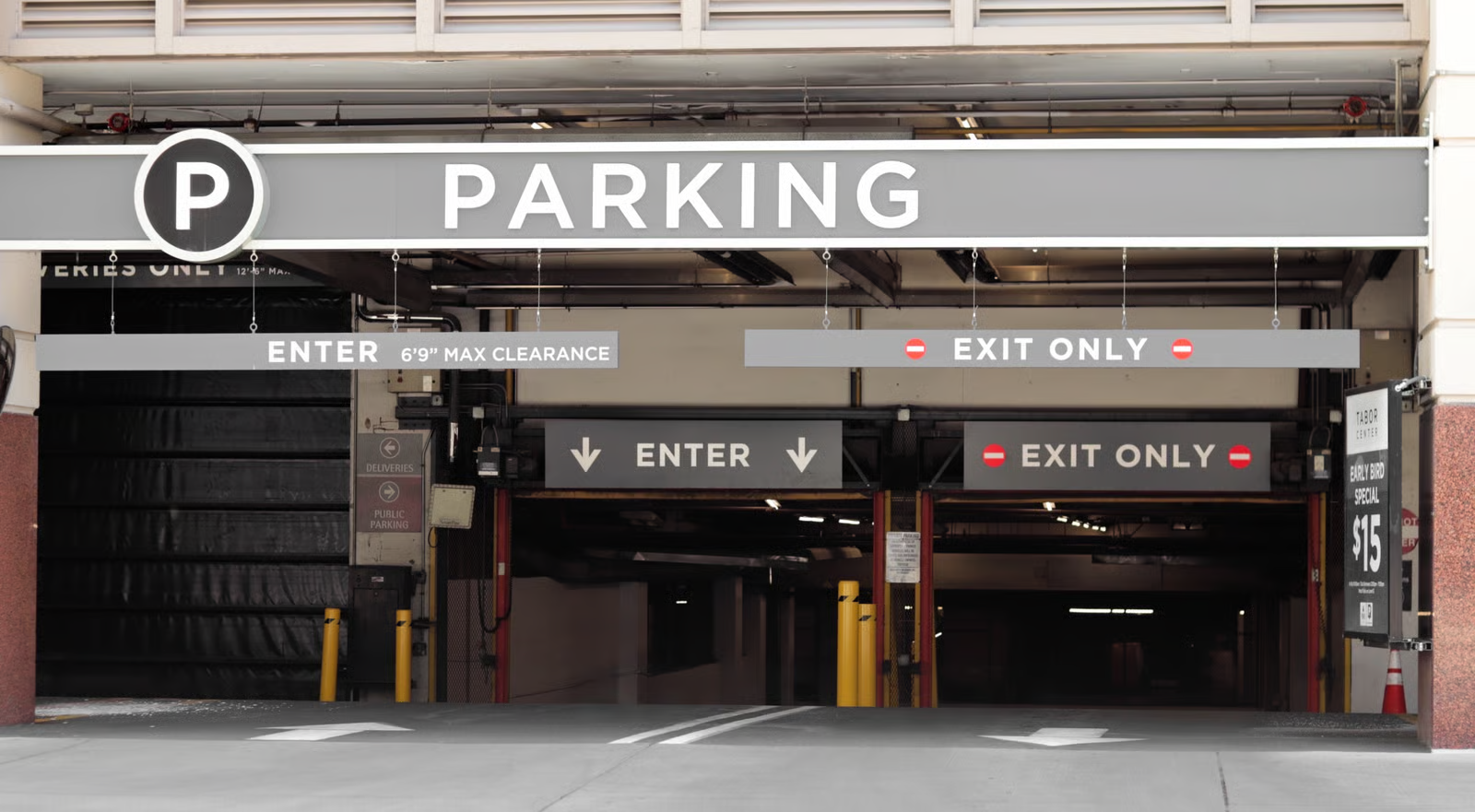
Hotels spend a lot of time and money on guest experience. The lobby design, the check-in process, the welcome drink, the follow-up email. Every touchpoint gets thought about, tested, and refined. But for guests who arrive by car, the experience starts well before the front desk. It starts in the car park. And for many hotels, that’s where the careful curation stops.
It’s easy to see why. The car park isn’t broken. There’s a barrier, maybe a pay machine. It works. But “it works” and “it’s working well for us” are two very different things.
A Sector Under Pressure to Do More With Less
PwC’s UK Hotels Forecast 2025-2026 paints a clear picture of where the sector stands. Operating costs are rising faster than revenues, and the advice to operators is pointed: focus on automation, invest in energy-efficient technologies, diversify ancillary income, and deploy resources more smartly. Sustainability is described as both a commercial and operational priority, driven by growing ESG expectations from lenders and guests.
The numbers from Savills’ UK Hotel Market 2025 spotlight back this up. Profit margins have fallen to 34.5% nationwide, with GOPPAR (gross operating profit per available room) down 4.2% year to date. Labour costs are up 4.1%, driven by wage inflation and NIC changes. And the scope to offset these pressures through room rate increases is narrowing. Savills also notes the growing importance of ancillary revenue, with wellness and leisure income per sold room rising by 12% and 10% respectively.
HOSPA confirms the theme: revenue is growing, but profitability remains under pressure. In this environment, every asset and every process needs to earn its place.
More Going on Than You Think
Most hotels don’t have a “parking problem.” What they have is a patchwork of workarounds that nobody has questioned in a while.
Think about how many different types of people use a hotel car park on any given day. Overnight guests who expect to park for free. Restaurant visitors popping in for a couple of hours. Conference delegates arriving in a wave. Spa or leisure guests. Staff who need access every day. Contractors. Suppliers. Each group has different expectations, different durations, and often different pricing.
Managing all of that through a single barrier, a flat tariff, or a one-size-fits-all process at reception is where the hidden effort lives. Front-of-house teams absorb parking admin into their daily workload without it ever showing up as a cost.
And for the guest who’s just driven three hours to get there, the first impression of the hotel isn’t the smile at reception. It’s a barrier queue, a ticket machine, or a confusing car park process before they’ve even walked through the door. That’s a missed opportunity to make someone feel welcome from the moment they arrive.
There’s a sustainability consideration here, too. Barriers cause idling, and TRL research shows that even one minute of diesel engine idling produces around 30 grams of CO₂. Hardware like pay machines and barrier systems requires ongoing power, servicing, and cash collection.
For hotels tracking their environmental performance, or reporting against the targets set out in UKHospitality’s Net Zero Roadmap, the car park is a blind spot that’s easier to address than most people realise.
Making Every Visitor Feel Taken Care Of
This is the kind of problem that the Hozah Ecosystem is designed to solve. Our platform uses ANPR to recognise vehicles on entry and exit, removing the need for barriers, paper tickets, and pay machines.
Tariffs, user categories, and access rules are all configured within the system, so the car park applies the right treatment to each visitor type automatically.
For hotels that offer complimentary parking to overnight guests, the process is simple. At check-in, reception validates the guest’s vehicle registration through Hozah’s portal or on-site tablet. From there, ANPR handles the rest. The car is recognised on entry and exit, no charge is applied, and there’s no ticket to collect or receipt to show. For the guest, it just feels like the hotel has taken care of everything.
The same system handles every other user type. Restaurant visitors, conference delegates, staff, and members of the public are all managed through one platform.
Hozah supports a range of payment methods, from Hozah AutoPay and PaybyWeb to on-site kiosks, and the right setup is tailored to each site’s needs. Tariffs can be configured by user type, time of day, or duration, giving hotels full control over pricing.
The rules are set up once, and the platform applies them based on the vehicle. Real-time occupancy data also shows when the car park has spare capacity, so it can be opened up commercially during quieter periods without any risk of affecting guest availability.
Hozah’s CleanTech recognition in Deloitte’s UK Technology Fast 50 also reflects that the platform delivers genuine environmental benefits alongside commercial ones.
Worth More Attention Than It Gets
PwC’s advice to the sector is to automate, diversify income, and get more value from existing assets. The car park ticks all three boxes. It can improve the guest experience from the very first moment someone arrives. It can take pressure off front-of-house teams. It can generate revenue that’s currently being left on the table. And it can support sustainability goals as a natural byproduct.
Your car park is probably the first thing your guests see. It’s worth making sure it’s not the last thing on your list.
Curious about what smarter parking could look like for your property? Book a meeting with our team.